





































































































Pakistan tells UN Afghan-based terrorism is the biggest threat to its security

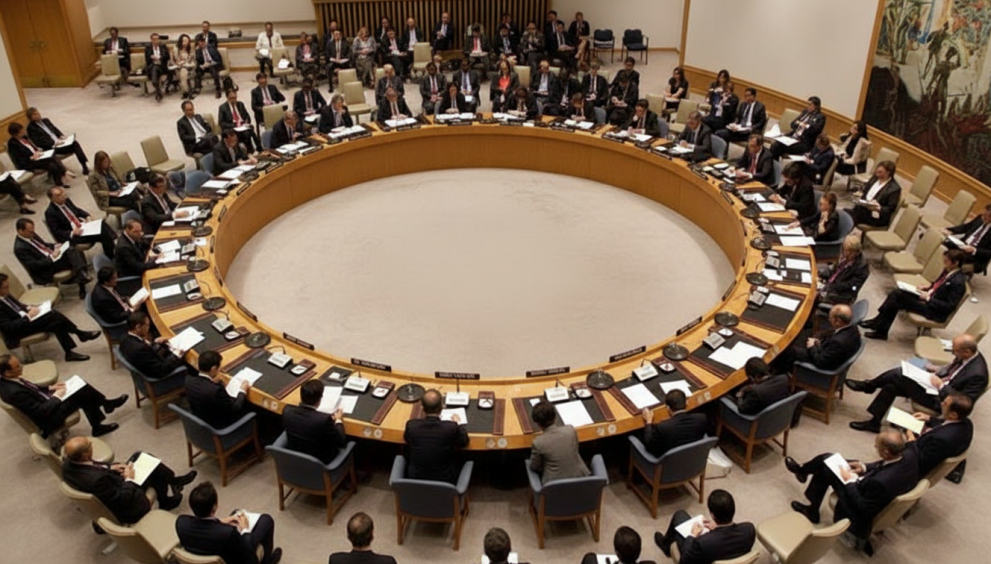
Pakistan has escalated its diplomatic campaign at the United Nations, telling the Security Council that terrorism emanating from Afghan soil represents the “gravest threat” to its national security and regional stability, according to statements made by Islamabad’s envoy in New York on Wednesday.
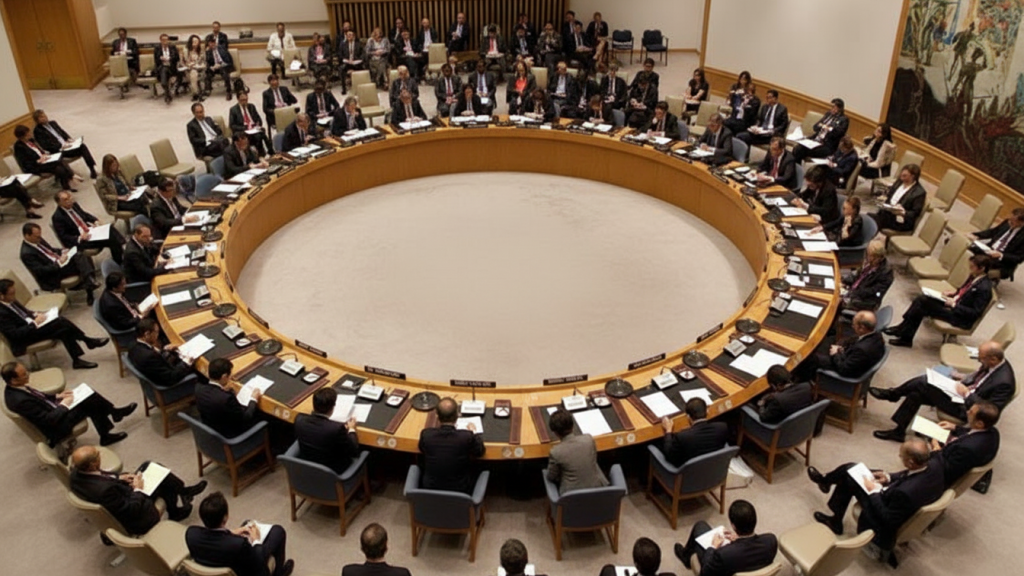
Addressing the 15-member body during a debate on the situation in Afghanistan, Pakistan’s Permanent Representative to the UN, Ambassador Asim Iftikhar Ahmad, said militant groups operating from territory under the control of the Afghan Taliban are not only expanding their networks but also coordinating attacks across the border with devastating consequences for the nation.
“Afghanistan is once again a safe sanctuary for terrorist groups and proxies,” Ahmad told the Council, warning that Islamabad has suffered significant human losses. “Just this year alone, we have lost close to 1,200 lives to terrorism emanating from Afghanistan,” he said.
Ahmad listed several extremist organisations that, in Islamabad’s view, enjoy safe havens inside Afghanistan, including the Tehreek-e-Taliban Pakistan (TTP), Islamic State Khorasan (ISIL-K), Al-Qaeda, the Balochistan Liberation Army (BLA) and the Majeed Brigade. He claimed that more than 214 Afghan terrorists, including suicide bombers, have been neutralised inside Pakistan in counter-terrorism operations since 2022.
The envoy accused elements within the Afghan Taliban’s ranks of facilitating these groups by allowing them freedom of movement, refuge and joint training opportunities. Islamabad said there is credible evidence of collaboration between these groups : spanning weapons smuggling, coordinated attacks and shared operational planning.
Pakistan is not only focusing on the militants’ activities but also on the threat posed by arms left behind in Afghanistan by departing foreign forces and illicitly traded small arms that, Islamabad says, have made their way into the hands of insurgents active along the Pakistan-Afghanistan frontier.
During his address, Ambassador Ahmad urged the United Nations Assistance Mission in Afghanistan (UNAMA) to conduct an objective and comprehensive assessment of border security and militant activity, a request that Islamabad says is crucial to understanding the true scale of the threat.
Pakistan also highlighted its long-standing engagement with Kabul, noting that it has engaged in sustained dialogue with the Afghan authorities over the past four years and supported talks in Doha and Istanbul. However, Islamabad regretted that these engagements have yet to yield “concrete, effective and decisive actions” from Afghan authorities against terror groups.
If the Taliban-led government fails to take verifiable action, Pakistan said it will exercise its right to take “all necessary defensive measures” to protect its citizens and territorial integrity.
Pakistan’s stance at the UN comes amid a broader escalation of tensions with Kabul, marked by stalled talks in regional capitals and mutual allegations of border violations, including disputed airstrikes and militia movements.
As Islamabad continues its diplomatic efforts, it remains to be seen whether the international community will rally behind Pakistan’s call for greater action against militant safe havens or whether differing geopolitical interests will complicate coordination on this critical security issue.